关于玛丽·爱泼斯坦
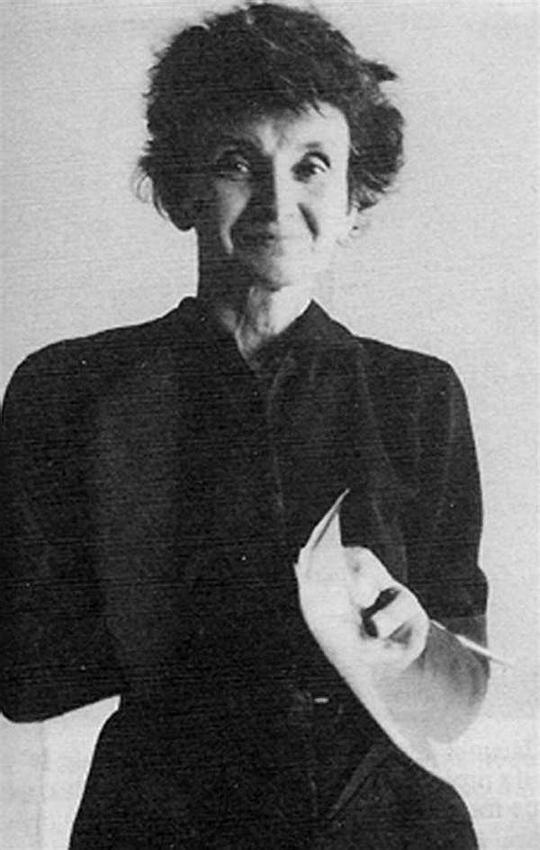
玛丽·爱泼斯坦(Marie Epstein)1899年8月14日出生于波兰,华沙,,职业是编剧、副导演、导演,参与的作品有《忠实的心》。
玛丽·爱泼斯坦 Marie Epstein
- 性 别:女
- 出生时间:1899年8月14日
- 逝世日期:1995年4月24日
- 出生地:波兰,华沙
- 英文名:Marie Epstein
- 别 名:Marie-Antonine Epstein (本名)
- 职 业:编剧 / 副导演 / 导演
- 家庭成员:让·爱普斯坦 (兄)
- IMDb编号:nm0258506
- 人物热度:77
玛丽·爱泼斯坦简介
Marie Epstein (born Marie-Antonine Epstein; 14 August 1899, Warsaw - 24 April 1995, Paris) was an actress, scenarist, film director, and film preservationist. Her career is distinguished by three important collaborations. Throughout the 1920s, she acted in and wrote scenarios for films directed by her brother, Jean Epstein. From the 1920s through the early 1950s, she collaborated with the director Jean Benoît-Lévy on sixteen films, serving variously as a writer, assistant director, and co-director. From the early 1950s to her retirement in 1977, Epstein served as a film preservationist at the Cinémathèque française.
Collaboration with Jean Benoît-Lévy (1928-1940)Edit
Epstein is best known for the films she co-directed with Jean Benoît-Lévy throughout the 1930s. Moving away from the romantic scenarios she wrote for Jean Epstein, her films with Benoît-Lévy employ many of the avant-garde techniques developed in French Impressionist Cinema of the 1920s to explore major social issues facing France in the 1930s, especially poverty, single motherhood, the struggles of oppressed women, and the plight of poor and neglected children. As film historian Alan Williams notes, Benoît-Lévy and Epstein's films "always pay careful attention to the moral choices required by particular social conditions." [1]
While their films reflect the Poetic Realism prominent in 1930s French cinema, their work makes greater use of experimental editing techniques. Describing La Maternelle (1933), a film about state-run nursery education, Williams notes that the film recalls "the tradition of cinematic impressionism" by using "subjective editing" to convey "traumatic events in the life of a neglected slum child" and by presenting a woman's "attempted suicide in a rapid sequence of disparate images" to communicate the episode's violence.[1] Film scholar Sandy Flitterman-Lewis also calls attention to this episode because the woman looks directly at the camera (a rarity in films of this period), "imp